If you own an older house in Worcester, you probably have a sense that the plumbing is getting tired. Maybe the shower slowed to a dribble last winter. Maybe the kitchen tap runs brown for a minute before it clears. Those small annoyances add up, and sometimes they are the first hints that the pipes inside the walls need replacing across the whole house, not just a patch here and there.
Worcester has a lot of housing stock built between the 1920s and the 1960s, and plenty of those homes still carry original galvanized steel or early copper runs. Those materials were fine for their time. They just do not last forever, especially with our freeze and thaw cycles and the hard water that comes through some neighborhoods. Here is what we tell homeowners to watch for, and what each sign usually points to.
Rusty or Discolored Water Coming From Multiple Taps
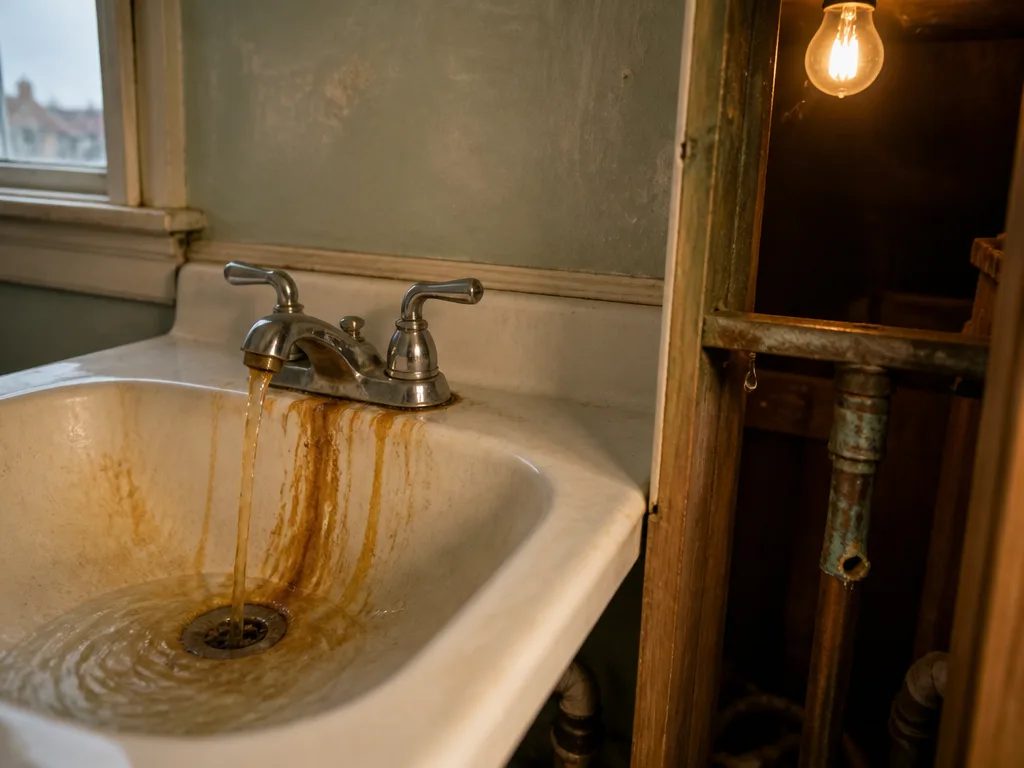
One brown tap can be a local issue. A water heater sediment problem, a sticky aerator, or a stirred-up city main after work on the street can all cause that. But when hot and cold water both look rusty at several fixtures, and it keeps coming back, the problem is usually inside the pipes themselves. Galvanized steel corrodes from the inside out, and the flakes end up in your water.
Try this before you call anyone. Run the cold tap in the bathtub for five minutes and look at the water in a clear glass. Then do the same in the kitchen sink. If both show rust and the color does not clear after a long run, write it down. That pattern is one of the clearest signals that the supply lines throughout the house are wearing out.
Water Pressure That Drops Off Over Time
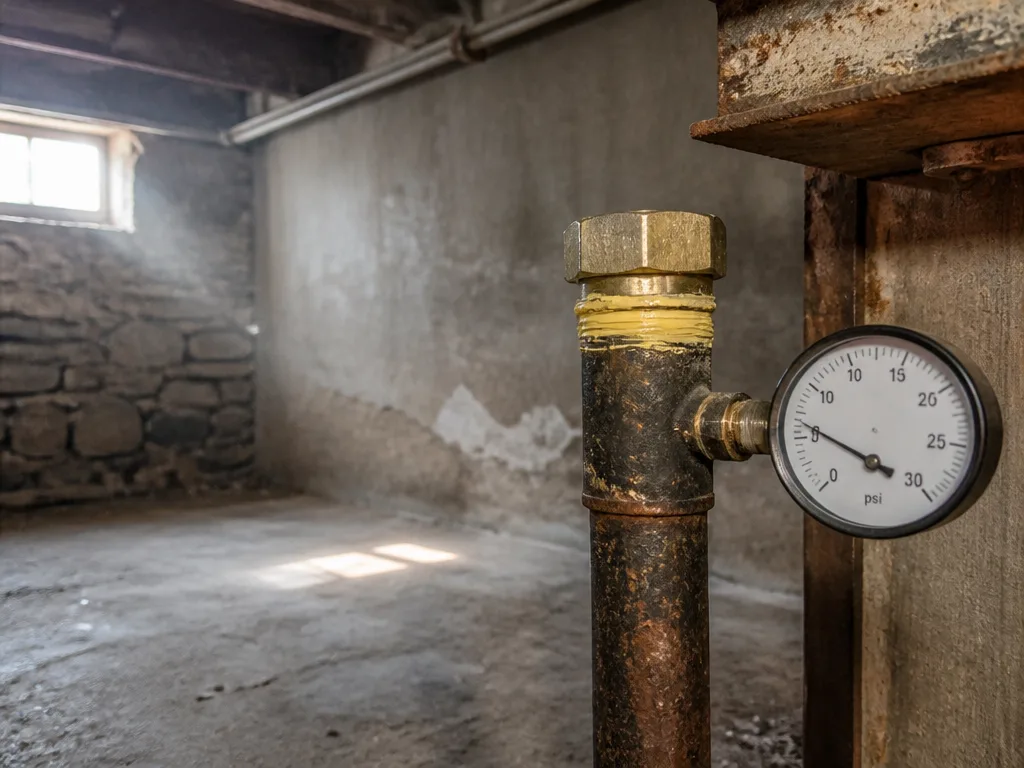
Pressure loss is sneaky. Nobody wakes up and says the shower is weaker. It fades a little each year. What usually happens is that the inside diameter of old galvanized pipe narrows as mineral buildup and rust grow on the walls. Water still flows, but less of it gets through.
A simple check: fill a bucket from the outdoor spigot and time it, then do the same from a bathroom tap. If one fixture fills noticeably slower than the rest, that line may be restricted. If every fixture is slow, the restriction is likely in the main supply or at the point where the line enters the house, and that is a different conversation.
Pinhole Leaks and Repeated Small Repairs
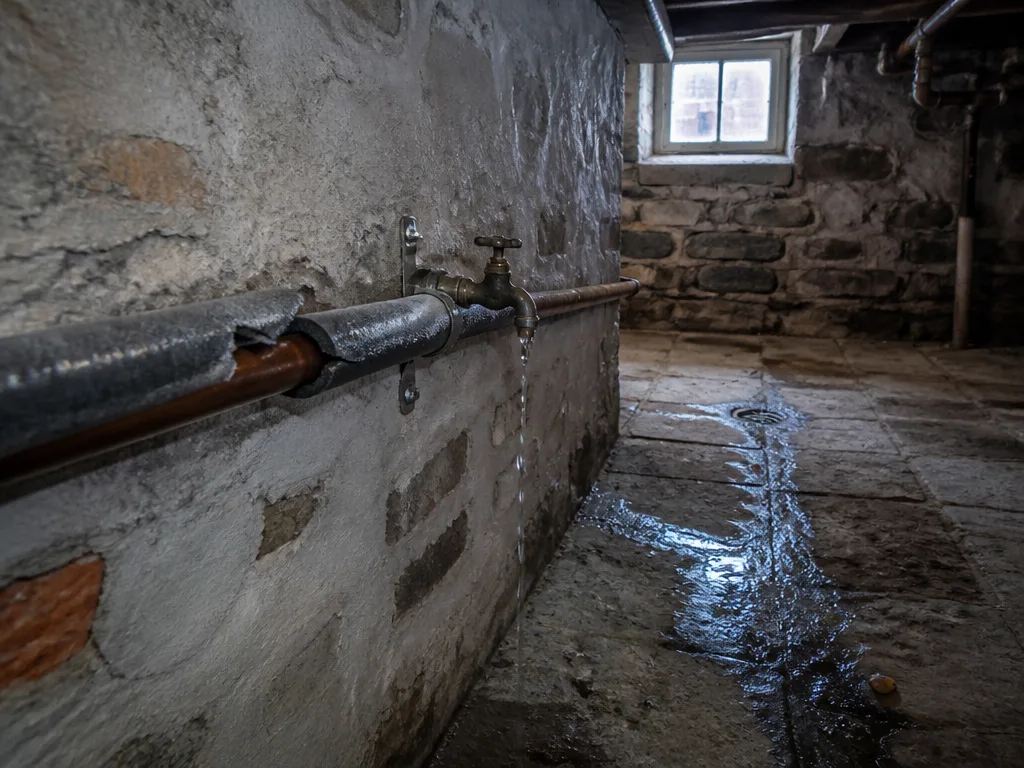
A single leak under a sink is normal wear. Three leaks in three years in different parts of the house is a trend. Pinhole leaks, which often show up as tiny wet spots on a ceiling or a faint stain on a basement wall, are a common sign that the metal is thinning from corrosion on the inside.
Keep a simple log. Note the date, location, and what was done each time you have a plumber out. If you notice you are calling about a new spot every season, the next repair will probably be in a different section of pipe. At that point, fixing one spot at a time costs more over the long run than replacing the lines in one project.
Other Clues Worth Noting
- Water that looks cloudy or has a metallic taste, especially in the morning
- Staining on the outside of pipes or green crust on copper joints
- Hot water that runs cooler than it used to, which can mean internal buildup
- Noisy pipes that bang or knock when fixtures shut off
Why the Age of the House Matters
Most Worcester homeowners ask the same question: how old is too old? Galvanized pipe typically starts to give trouble after several decades, though the real timeline depends on water chemistry and how the pipe was installed. Early copper can pit and develop pinholes too, particularly where the water is acidic or the solder joints were done poorly.
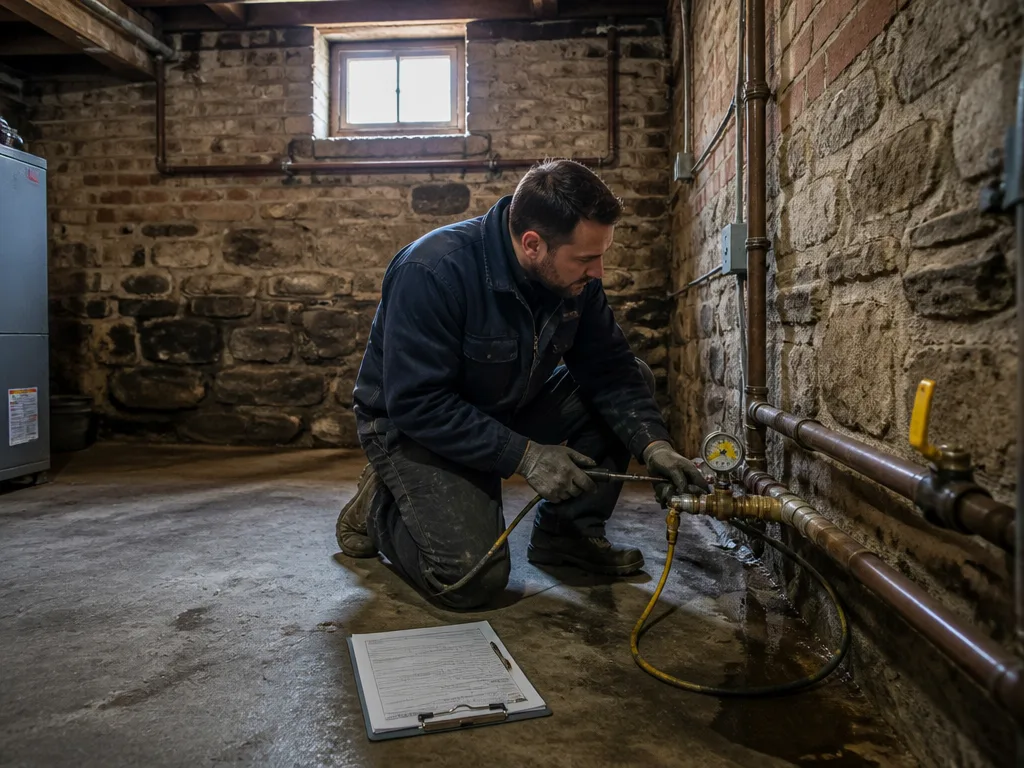
If your house was built before the mid-1960s, it is worth having someone look at the materials you actually have. Check the pipe where it is exposed in the basement or near the water heater. A magnet will stick to galvanized steel. Copper will not. Take a photo and bring it up when you talk to a plumber so the conversation starts from facts instead of guesses.
Deciding Between Spot Repairs and Whole-Home Repiping
Spot repairs make sense when the rest of the system is in decent shape and the problem is isolated. A single failed supply line under one sink, for example, is a reasonable one-day fix. Whole-home repiping makes sense when the signs above show up in several places at once, or when the material itself is the problem.
When you call Worcester Gas Line Repair, our team will walk through what you are seeing, what the pipes look like where they are accessible, and which path fits your house. We will explain the options in plain language, and you can decide what works for your budget and your timeline. Our phone line is the best way to reach us, and we are happy to schedule a visit with the plumbers who know the older neighborhoods around the city well. If you are in Shrewsbury, Auburn, Holden, or the Grafton line, the same signs apply, and the same approach works.
Do not wait for a ceiling stain to turn into a bigger problem. Start with the simple checks above, write down what you find, and call us when the pattern is clear. A few honest minutes on the phone now can save a lot of cleanup later.