A gas leak gets found, the crew packs up, and you go back to your life. That part feels good. The part nobody talks about is what happens over the next few months, when the house settles, the seasons change, and you start wondering whether that faint smell was really gone. If you live in Worcester, you already know our older housing stock has its own quirks. Plenty of homes here have gas lines that have been run, patched, and rerouted more than once over the decades.
So this is a practical guide to keeping the results after leak detection and stopping the problem from coming back. Nothing fancy. Just the things we tell neighbors when they call us from their kitchen table with a question.
Understand what was actually found
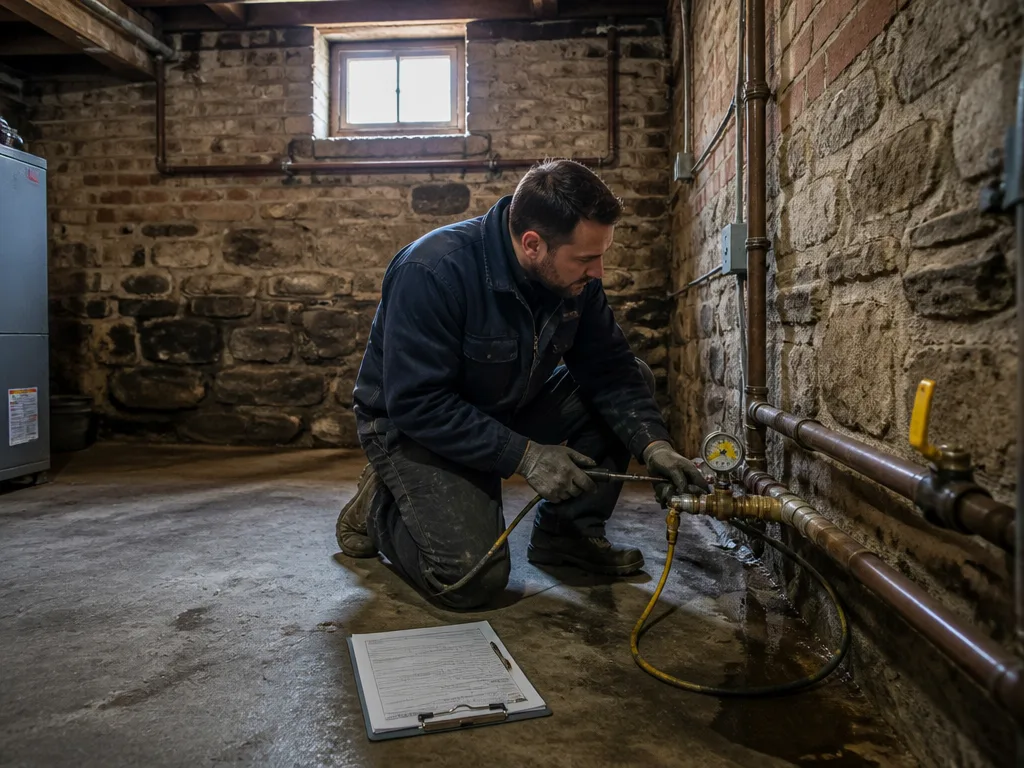
Before you can keep a repair working, you need to know what was wrong. Ask the plumber who did the detection to walk you through it. Where was the leak? Was it at a threaded joint, a corroded section, a fitting that had loosened, or a line that had been damaged by digging or a shifted foundation? Each of those has a different long-term picture.
A threaded fitting that was tightened and retested usually stays put if nothing else changes. A section of old steel pipe that was showing pitting throughout may mean the repair was a fix for one spot, and the rest of that run is aging too. Neither answer is bad news by itself. You just want to know which situation you are in so you know what to watch.
Write it down. Date, location in the house, and what the plumber said caused it. Five minutes of notes now saves a lot of guessing later.
Keep an eye on the spots that matter most
Most gas problems in a Worcester home show up in a handful of places. The meter area, where the line enters the house. Any spot where the line passes through a basement wall or a crawlspace. The connection behind the stove, the water heater, the furnace, and the dryer. If your leak was in one of those places, those are the places to check first.
You do not need to become a plumber to do a basic check. Once a month, go to the area and look for anything new: dust that has collected in a unusual pattern around a fitting, moisture or rust on a connection, or a pipe that has started to sag or shift. Listen too. A faint hiss near a joint is worth a phone call right away.
Smell is your early warning, but it is also unreliable. Natural gas has an odorant added so people can notice it, and most people do. Still, some people have a weaker sense of smell, and a smell can fade in a room with a lot of airflow. Do not rely on your nose alone. If you have a gas detector in the house, test it according to the package directions and replace it when the manufacturer says to.
Simple monthly checklist
- Look at the gas meter and the line where it enters the house for rust, damage, or loose supports.
- Check connections at the water heater, furnace, range, and dryer for dampness or discoloration.
- Make sure nothing is leaning on or rubbing against a gas line.
- Confirm that vents and gas appliance areas have no new blockages or debris.
- Note anything unusual in your log and call if it is more than a minor change.
Stop the damage that causes repeat leaks
A lot of repeat leaks have one of three causes: movement, moisture, or someone digging nearby. Those are fixable, and they are often easier to fix than the original repair.
Movement is common in older Worcester houses. Freeze and thaw cycles push on foundations every winter, and a line that is hung loosely can stress a joint over time. If you notice a pipe that has dropped or a support that has pulled free, get it secured. A plumber can add or reposition supports so the line is not carrying weight it was never built for.
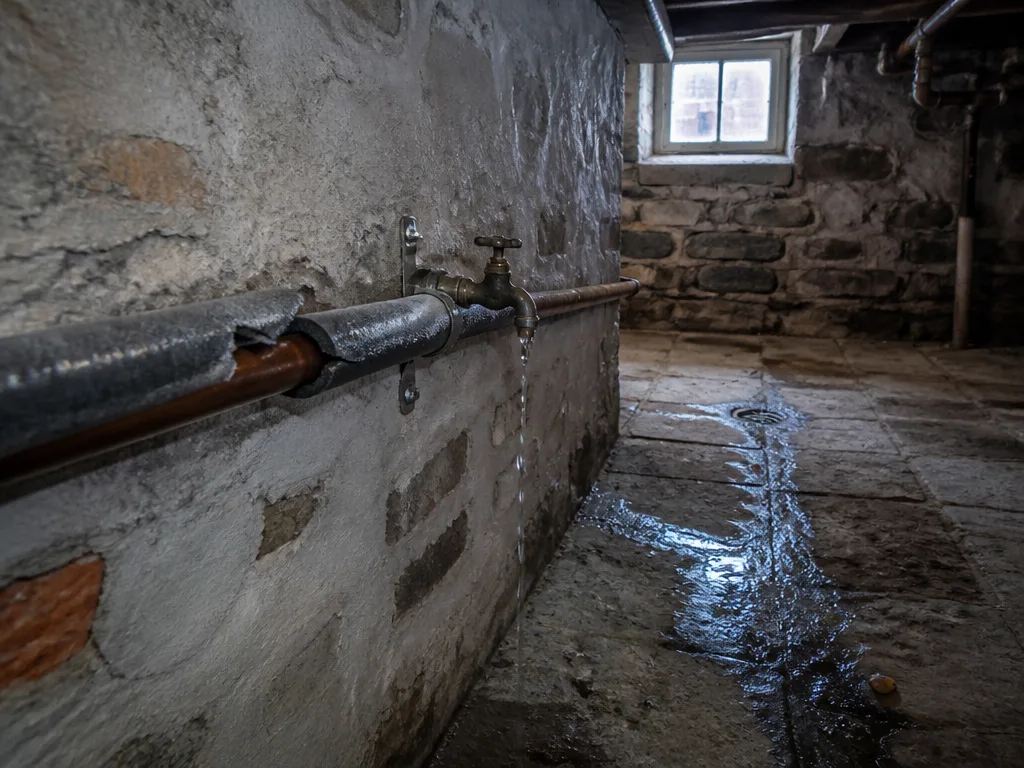
Moisture is the other big one. A gas line that sits in a damp crawlspace or a basement corner where water pools will corrode faster than one that stays dry. If you have a water problem in that area, fix the water first. Otherwise you are putting a new repair in a place that will keep working against it.
Digging is the third. Before anyone breaks ground on your property, whether for a fence, a patio, a tree, or a sewer repair, make sure the lines are marked. In Massachusetts, the dig safe process exists for this reason. Call before you dig, every time. Do not assume the line is where the old map says it is.
Know when to call us back
Some signs mean you should not wait for the next scheduled check. If you smell gas, leave the house first and call the gas utility and emergency services from outside. Once you are safe, call a plumber. Do not run switches or use anything that could spark while you are inside.
Other signs are less urgent but still worth a call the same week: a new stain on a fitting, a line that has moved since last month, a pilot light that goes out for no clear reason, or a stove burner that burns yellow instead of blue. Those can point to a problem that is starting again or a related issue with the appliance connection.
When you call Worcester Gas Line Repair, tell us what you saw, when you saw it, and where. The more specific you are, the faster we can figure out whether this is a follow-up item or something that needs attention right now. We can usually get a crew out to look at it the same week you call, and we will walk you through what we find while we are there.
Make the next repair easier
Last thing. Keep the paperwork from the original repair together with your notes and a rough sketch of where the line runs. If a future plumber has to work in that area, the sketch saves time and reduces the chance of missing something. If you sell the house someday, a clear record helps the next owner too.
Old gas work in Worcester is not a mystery to us, and we would rather you call early than wait until a small problem turns into a big one. A repaired line that gets checked once a month and kept dry, supported, and protected from digging will usually give you years of quiet. That is what most people want anyway.