Start with the phone call, and be specific
If you think something is wrong with your gas line, call Worcester Gas Line Repair and tell us what you noticed. Be as specific as you can. A faint rotten-egg smell near the basement stairs is different from a hissing sound by the water heater, and both are different from a bill that jumped for no reason. We will ask a few questions about where the smell or sound is, when it started, and whether anyone in the house has felt dizzy or headachy.
Here is the one thing you should do before you even pick up the phone. If you smell gas strong enough to notice, leave the house right away, don't flip any light switches on your way out, and don't use a phone inside. Call the gas company and 911 from a safe spot outside. Once the area is safe, then call us. We can help with the repair, but the first job is getting everyone out of harm's way.
On a regular, non-emergency call, we will get a few basic details: your street, the type of home you have, and whether the gas is currently on. Some older homes in Worcester have lines that have been patched more than once, and knowing the history helps us bring the right parts. If you have a copy of your last gas bill or a note from a previous plumber, keep it handy. It saves a few minutes on the phone and a few more on site.
The visit: what our plumbers actually do
When our plumbers arrive, the first thing they do is talk with you. Where did you notice the problem? Is the smell only in one room, or does it come and go? Has anything been moved, dug up, or remodeled near the line? Those answers guide the search. A line that runs under a patio slab in Shrewsbury Street area yards can behave very differently from one that runs through a crawl space in a three-decker off Main Street.
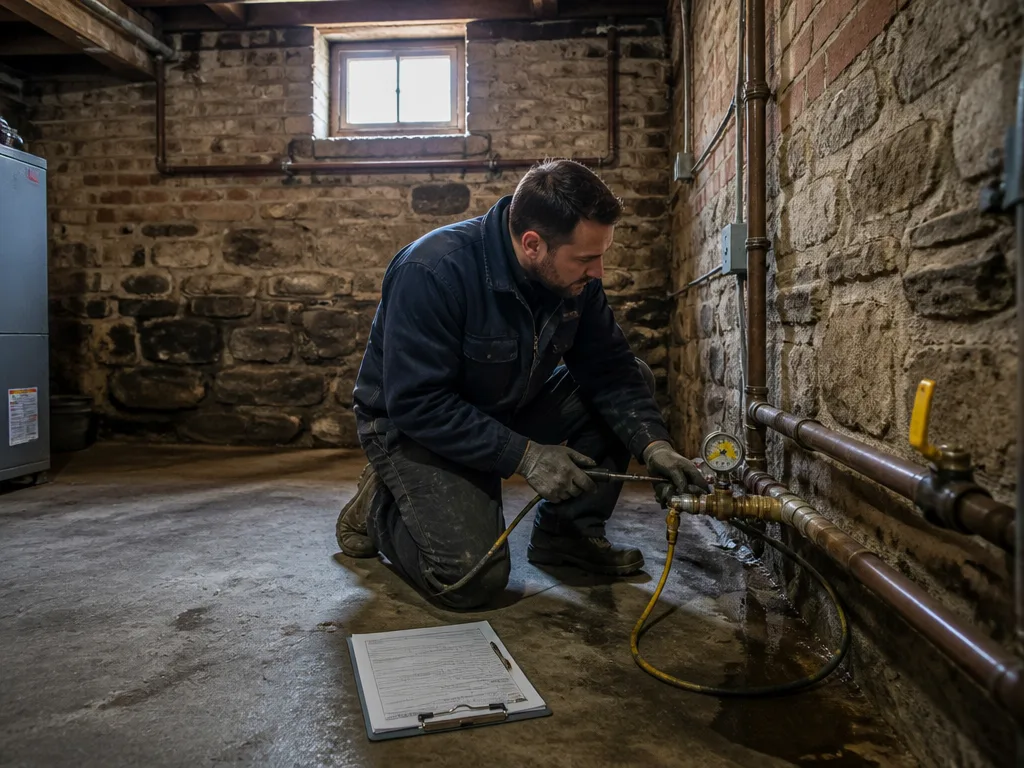
Next comes the actual look. Our team checks the visible run of the line, the fittings, the shutoff valve, and any connection points at appliances like the furnace or stove. We use gas detection equipment to narrow down where a leak is coming from, because a smell can travel along a basement floor before it reaches your nose. If a leak is confirmed, we explain what we found in plain terms before anyone starts cutting or digging.
We will also tell you honestly whether the problem is something we can fix in one visit or whether it needs a longer job. Sometimes a joint just needs to be re-made. Other times a section of line is corroded and needs to be replaced, and that can mean opening a wall or a floor. You should understand the scope of the work before we start, and you are free to ask questions at any point.
- Ask where the leak is and how it was found.
- Ask whether the gas will be off during the repair, and for how long.
- Ask what needs to be done to the area afterward, like patching drywall or moving stored items.
- Ask who to call if you smell gas again later.
During the repair day
Once the plan is clear, the work itself is usually the shortest part of the process, though it can feel long if you are living without gas for a few hours. The gas supply to the affected line is shut off at a safe point. We cap or isolate the damaged section, then cut out the bad piece and fit in new material. Every joint is made up carefully and checked before it goes back into service.
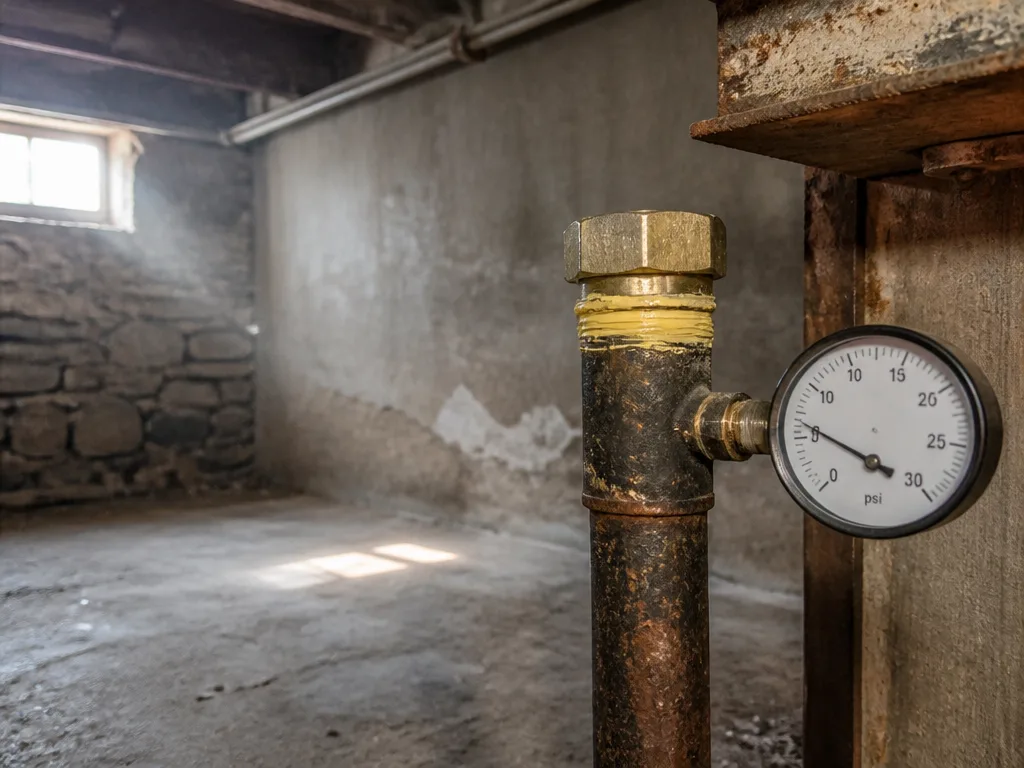
Testing matters more than most homeowners expect. After new joints are in, we pressure test the line to confirm it holds. We don't restore gas to a line that has not passed that test. Then we relight pilot lights and appliances, watching each one come back on properly. If you have a gas stove or a water heater, ask us to show you the burners or the pilot before we leave. Seeing it done once makes it less mysterious.
Expect some noise and some mess. Floors may need protecting, a few tools will be spread out, and there may be a bit of dust if we had to open a wall. Our crew tries to keep the work area tidy and to leave your space the way we found it, minus the leak. If something needs a carpenter or a drywall patch, we will tell you that up front so you can plan for it.
The follow-up, and what to watch for after
The job does not end when the truck leaves. Over the next few days, pay attention to a few things. Check that the appliances connected to the line are running normally, especially the furnace and the water heater, since they are the first to show a problem if something is off. Keep an eye on the area where the work was done. A faint smell that comes back is not something to wait out.
Give it a few days, then call us if anything seems wrong. You can ring us back with questions about the repair, about how the line was tested, or about what to look for. Phone calls are the easiest way for us to help, and we would rather hear from you early than have a small question sit for a week. Don't dig or hang heavy things near the repaired section without checking with us first, since that is exactly how lines get damaged again.
Signs that mean you should call right away
A gas smell at any strength, a hissing sound near a line or fitting, a flame that looks yellow or lifts off the burner, or a meter that seems to keep turning when nothing is running. Any of these is reason enough to step outside and call for help. Don't try to track the source yourself, and don't assume it went away on its own.
Living in Worcester means dealing with older housing stock, cold winters that make furnaces work hard, and plenty of work done by people who came before you. A careful, step-by-step approach keeps the repair predictable from start to finish. Call Worcester Gas Line Repair when you are ready to talk through your line, and we will walk you through the next step on the phone.