Why Worcester plumbing needs a seasonal plan
Worcester gets the full range of New England weather, and it shows up in your pipes. Winters bring long stretches below freezing. Spring brings heavy runoff. Summer storms can knock out power and push water into low spots. FEMA rates Worcester County Very High for ice storms and Relatively High for cold waves, inland flooding and hurricanes, so it makes sense to plan for all of it.
A lot of Worcester houses are older than most people think. The typical home here was built around 1951, and 59% of them predate 1960. That means many of the lines running through your walls and under your floors were installed long before anybody thought about freeze protection or modern fittings. Older systems don't fail all at once. They wear down quietly, and the season is usually what finds the weak spot.
So think of this as a calendar, not a one-time fix. Here is what we tell neighbors to look at as the year turns.
Winter: frozen lines and the cold snap problem
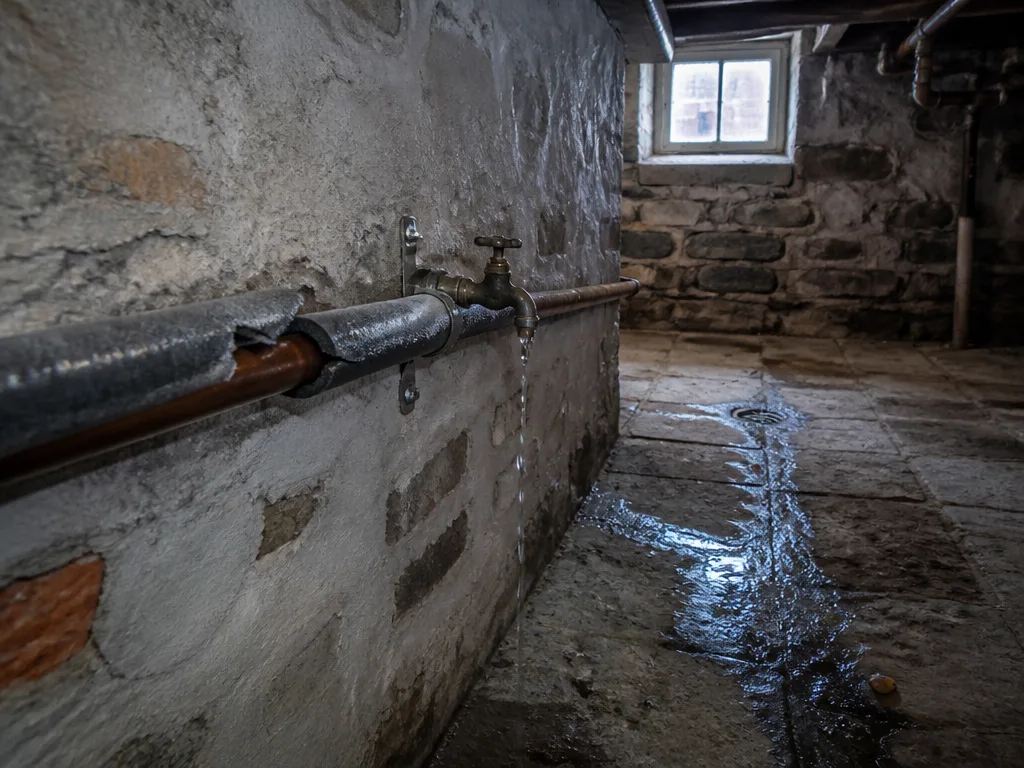
Most winter plumbing calls we hear about start with a room that got cold. A basement corner with an old window, a kitchen cabinet on an exterior wall, a garage bathroom that only gets used on weekends. Water in those lines can freeze well before the rest of the house feels chilly.
When the forecast drops into the single digits, do a quick walk-through:
- Open cabinet doors under sinks on exterior walls so warm air reaches the supply lines.
- Let a faucet drip slowly on the coldest nights, especially on the side that runs along an outside wall.
- Keep the thermostat steady. Turning it way down overnight is the fastest way to freeze a line that's already marginal.
- Check whether a hose is still connected to an outdoor spigot. Disconnect it and close the interior shutoff if your setup allows it.
If a faucet only gives you a trickle, don't keep cranking the handle hoping it will break loose. Shut the water off at the main if you can find it, then call a plumber. Pressure behind a frozen spot can split a pipe, and that turns a small problem into a wet floor.
Homes that heat with gas versus electric
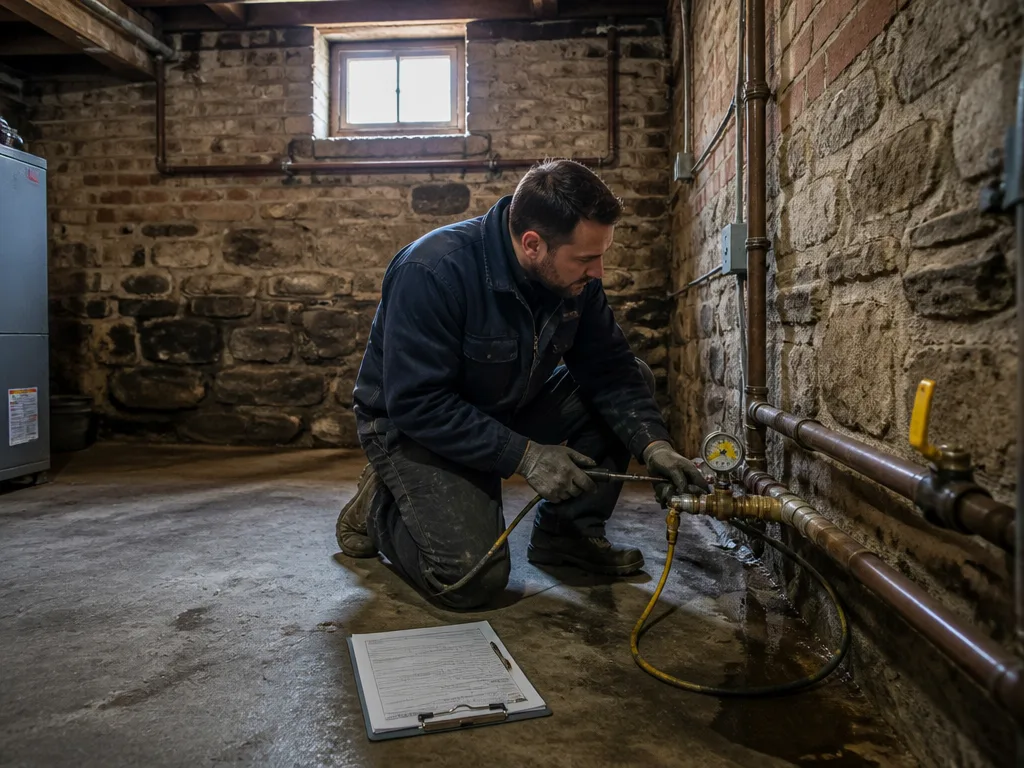
About 52% of Worcester homes heat with natural gas, and 29% use electricity. If your furnace or boiler runs on gas, the gas line matters as much as the water side. Any time you smell gas, leave the house, keep the door open on your way out, and call the gas utility from outside. Don't flip lights or use a phone inside. That's the one place where a plumbing shop is not the first call.
Spring: thaw, runoff and the basement check
Spring in Worcester is wet. Snowmelt, April rain and saturated ground all push water toward foundations, and that water finds the cracks you didn't know about. This is the season to look at the lowest level of your house with fresh eyes.
Start with the floor drain, if you have one. Pour a bucket of water into it and watch how fast it clears. A slow drain in March often means a partial clog or roots working their way in. Next, look at the sump pump if you have one. Lift the float by hand and confirm it kicks on and drains. Then check the discharge line outside. A line that dumps right back next to the foundation is working against you.
Spring is also a good time to look for drips at water heaters, shutoffs and under sinks, because the winter stress shows up as slow leaks now. A small wet spot on a cabinet floor is cheap to fix. The same spot six months later is usually rot.
Old galvanized and cast iron lines
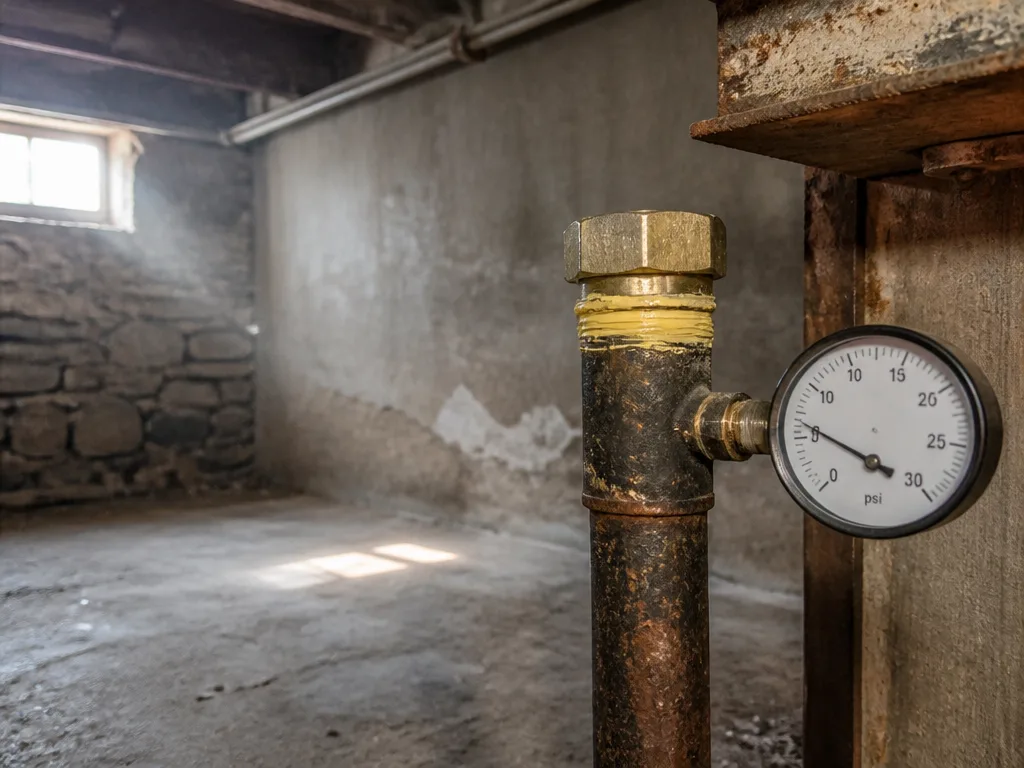
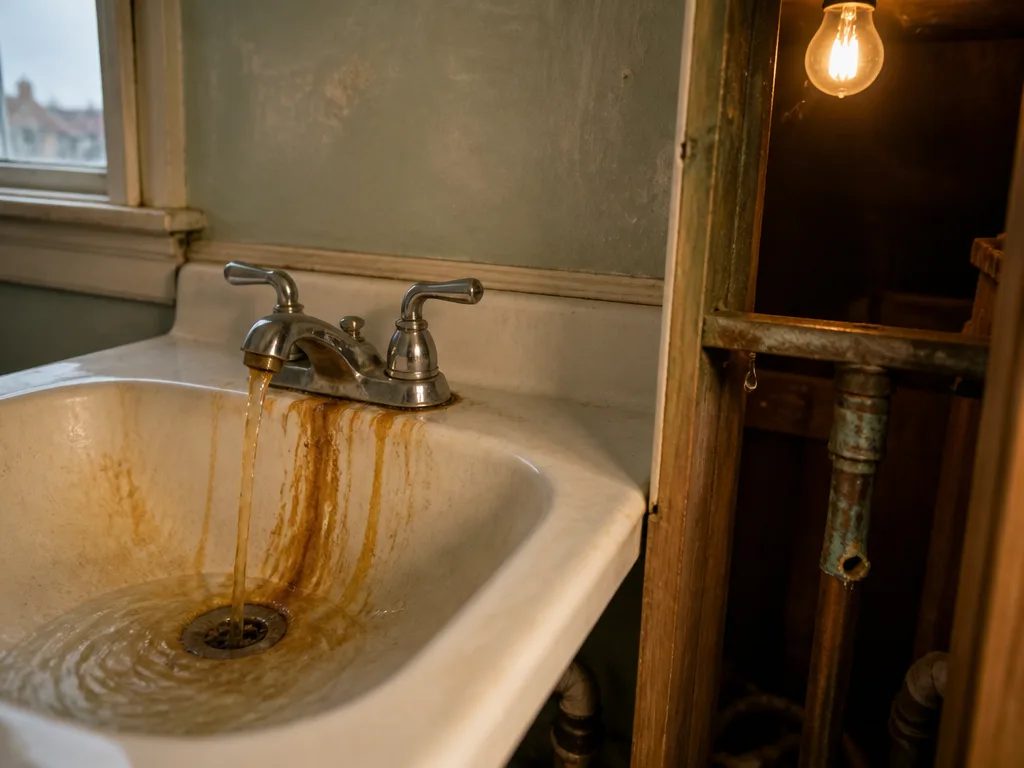
Many homes built in the middle of the last century still have galvanized supply lines or cast iron drains. They don't always leak loudly. You might notice rusty-colored water when the tap first opens, weak pressure in the shower, or a drain that gurgles after a big flush. Those are reasons to have a plumber take a look, not reasons to panic. Our crew can tell you which lines are original and which have already been replaced in pieces.
Summer: storms, drains and outdoor work
Worcester County logged 38 flood reports from 2022 to 2024 and dozens of damaging-wind reports, so summer storms are not a theory. A heavy downpour can back up a main sewer line in an hour, and a power outage can leave a sump pump silent right when you need it. Summer is the time to set up for those nights.
A few practical steps:
- Test the sump pump with a bucket of water before storm season, and keep a battery backup on hand if your pump has that option.
- Keep grease, wipes and coffee grounds out of the kitchen drain. Those are the most common causes of summer backups we see.
- Walk the yard after a big storm and look for pooling near the cleanout cap. Standing water there can mean the line is slow.
- Know where your main water shutoff is, and make sure every adult in the house knows too.
Outdoor projects are also a summer favorite. Irrigation lines, outdoor hose bibs and new patio drains all need proper routing. Before you dig, call Dig Safe so utility lines get marked. It's free and required in Massachusetts, and it saves a lot of headaches.
Fall: prep the house before the first freeze
Fall is the cheapest season to get ahead of winter. Temperatures are dropping but the ground is still workable, and there's usually time to schedule work before the calendar fills up. Worcester homeowners who plan in October tend to avoid the frantic January call.
Make a short list and work through it over a couple of weekends:
- Drain and disconnect garden hoses, then close the interior shutoff for any outdoor spigot.
- Insulate exposed supply lines in the basement, crawlspace and garage with foam sleeves. They're inexpensive and easy to install.
- Seal gaps where pipes enter the house through the rim joist. Cold air leaking in there is what freezes lines first.
- Flush your water heater if it's been a few years, and check the temperature setting so it's not running hotter than you need.
If the list above makes you realize your house has more old lines than you expected, that's useful information. It's far easier to plan a repair in September than to chase a burst pipe in February.
When to call a plumber in Worcester
You don't need to wait for a disaster to pick up the phone. Call a plumber if you notice a steady drip you can't trace, water stains showing up on ceilings or walls, a toilet that runs long after flushing, or a sewer smell that comes and goes. Those are all small signs that usually cost less to fix now than later.
Worcester Gas Line Repair works with homeowners across the city and nearby towns. Give us a call and describe what you're seeing, what season it started in and how old the house is. That gives our team a real starting point, and it helps us plan the visit. Our number is the best way to reach us, so pick up the phone whenever a sound, a smell or a stain makes you uneasy.